Sticky Wild Pork Ribs (Slow Cooked & Fall-Apart Tender)
These Sticky Wild Pork Ribs are slow-cooked in the oven until tender, then smothered in a homemade BBQ glaze and finished at a high heat until they’re beautifully sticky and caramelised.
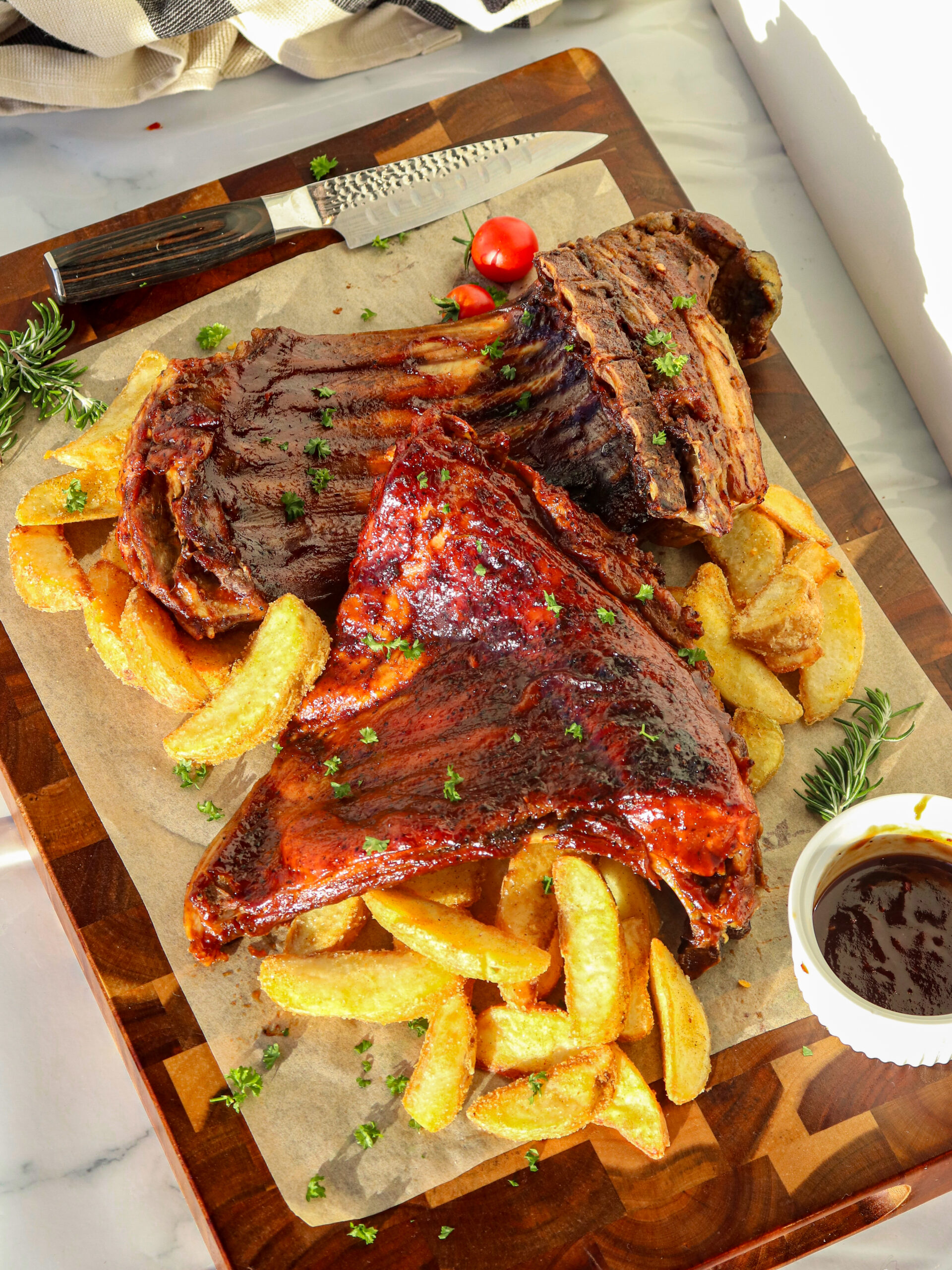
If you’ve got a freezer full of wild pork and you’re wondering what to do with the ribs, this is a pretty good place to start. Wild pork ribs don’t have quite as much meat on them as your typical supermarket pork ribs, but what they lack in size, they make up for in flavour.
The trick is cooking them low and slow, giving the meat plenty of time to become tender before finishing them off with a sweet, smoky and slightly tangy BBQ glaze.
And fair warning, if you cook them long enough, they might just fall apart when you try to pick them up. Not exactly the prettiest result, but they still taste unreal.
Why You’ll Love These Sticky Wild Pork Ribs
- Perfect for wild pork – A great way to use up ribs from your latest hunting trip instead of letting them sit in the freezer or go to waste.
- Fall-apart tender – Slow cooking helps soften the tougher connective tissue.
- Sweet, smoky and sticky – The homemade BBQ glaze has a good balance of sweetness, tang and smoky flavour.
- Simple ingredients – Nothing fancy, just pantry staples you probably already have.
- Mostly hands-off cooking – Once they’re in the oven, there’s not much to do until it’s time to glaze them.
- Great for leftovers – Any leftover meat can be pulled off the bones and used in sandwiches, wraps or rolls.
Key Ingredients for Sticky Wild Pork Ribs & Why They Matter
Wild pork ribs – The star of the show. Wild pork can be leaner and firmer than farmed pork, so slow cooking is a great way to get the meat tender. Leave as much fat on as possible for extra flavour and moisture.
Smoked paprika – This gives the ribs a subtle smoky BBQ flavour without needing a smoker.
Brown sugar – Adds sweetness to the dry rub and helps balance the savoury spices.
Garlic and onion powder – Easy pantry seasonings that add plenty of flavour without overpowering the pork.
BBQ sauce – Forms the base of the sticky glaze. Use your favourite BBQ sauce.
Honey – Adds sweetness and helps create that glossy, sticky finish.
Soy sauce – Brings a savoury, salty depth to balance the sweetness.
Apple cider vinegar – Cuts through the richness and adds a little tang.
Dijon mustard – Adds a subtle sharpness that brings the glaze together.
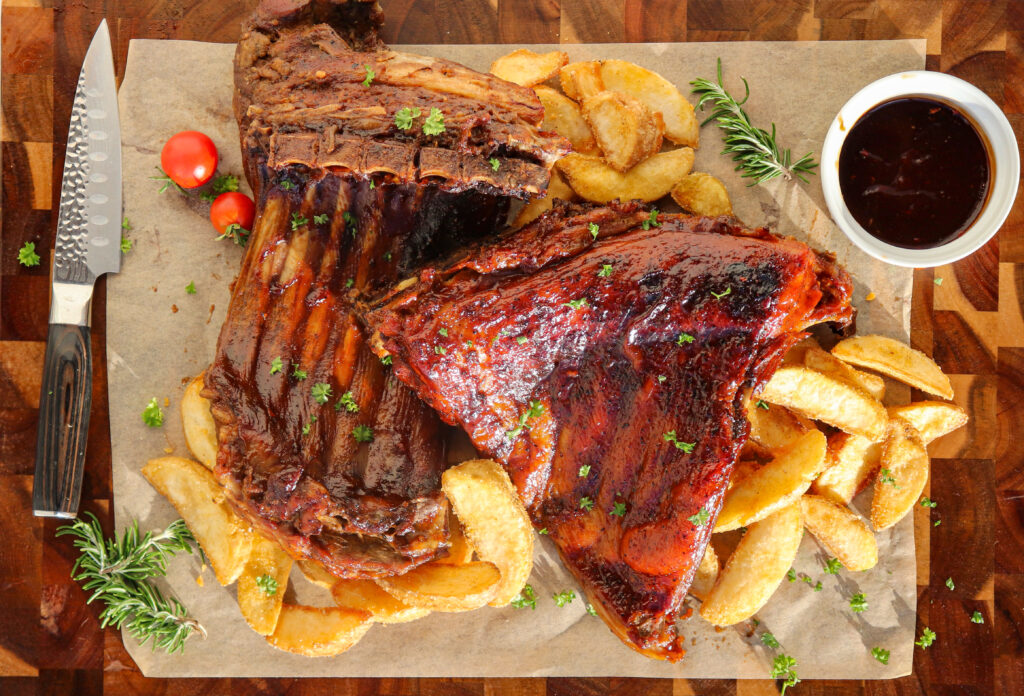
How to Make Sticky Wild Pork Ribs
1. Prepare the ribs
Pat the wild pork ribs dry with paper towels. You can remove the membrane from the back of the ribs if you prefer, but I personally leave it on. Last time I removed it, my ribs ended up as rib confetti rather than staying together! Leaving it on can help keep everything intact during the slow cook.
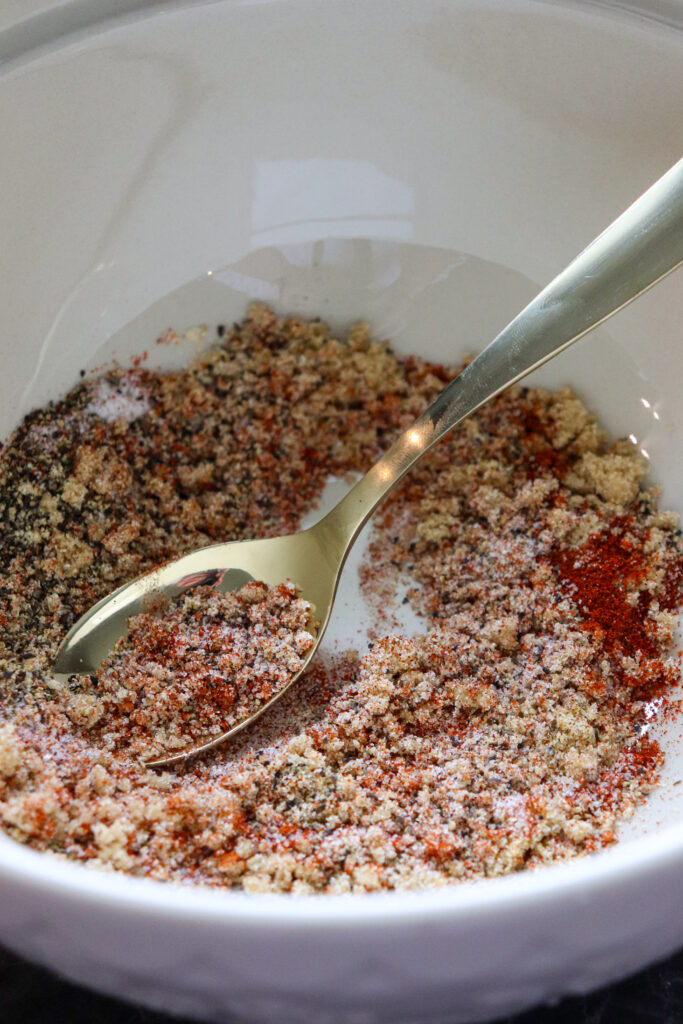
In a small bowl, combine the salt, cracked black pepper, smoked paprika, garlic powder, onion powder and brown sugar.
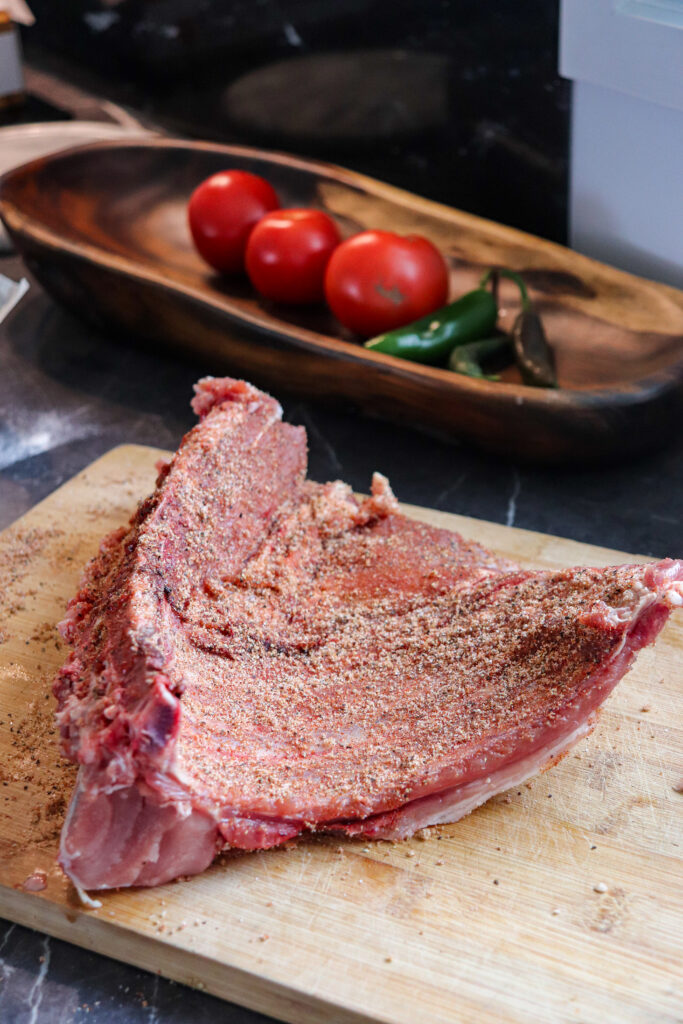
Rub the seasoning mixture generously over both sides of the ribs, making sure they’re well coated.
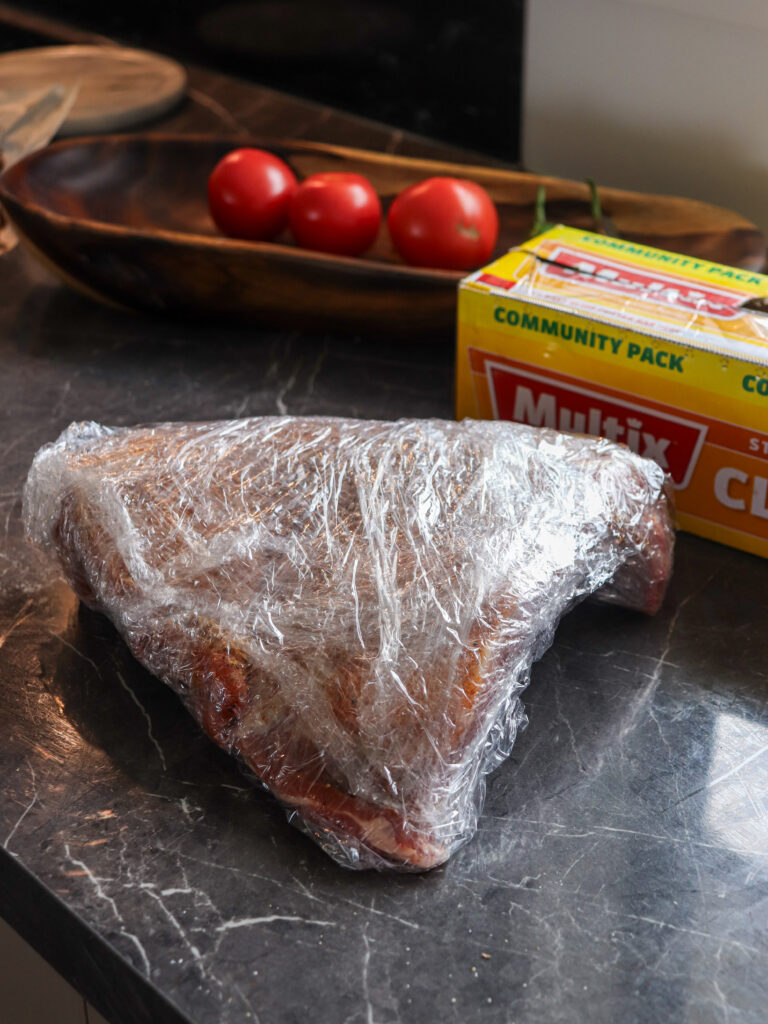
Cover and refrigerate for at least 2 hours, or overnight if you have the time.

2. Slow cook the ribs
Preheat your oven to 150°C conventional (140°C fan bake).
Place the seasoned ribs in a roasting tray lined with baking paper or foil. Pour ½–¾ cup of water into the bottom of the tray, then cover tightly with aluminium foil.
Bake for approximately 2½–3 hours, or until the meat is tender and starting to pull away from the bones.
Keep an eye on them towards the end of cooking, as smaller wild pork ribs may become tender sooner than larger racks.
3. Make the sticky BBQ glaze
While the ribs are cooking, combine the BBQ sauce, honey, soy sauce, apple cider vinegar, Dijon mustard and optional chilli flakes in a small saucepan.
Heat gently over medium-low heat for approximately 5 minutes, stirring occasionally, until the glaze has thickened slightly.
Remove from the heat and set aside.
4. Glaze the ribs
Once the ribs are tender, carefully remove the tray from the oven and take off the foil.
Transfer the ribs to a clean lined tray, or carefully drain the cooking liquid from the original tray.
Brush the ribs generously with the sticky BBQ glaze, coating the tops and sides.
Increase the oven temperature to 220°C conventional (200°C fan bake).
Return the ribs to the oven, uncovered, for approximately 10–15 minutes, brushing with more glaze once or twice, until sticky and caramelised.
Keep a close eye on them during this stage, as the honey and sugar in the glaze can burn quickly.
5. Rest and serve
Remove the ribs from the oven and allow them to rest for approximately 10 minutes.
Slice between the bones if the ribs are holding together, or simply pull the meat apart if they’re extra tender.
Serve with creamy coleslaw, roasted kūmara, corn on the cob or whatever else takes your fancy.

Tips for the Best Sticky Wild Pork Ribs
Don’t remove all the fat. Wild pork can be quite lean, so leaving the fat on helps add flavour and moisture during cooking. You can trim away any particularly tough skin or unwanted pieces, but there’s no need to strip the ribs completely.
Keep the tray tightly covered. The foil helps trap moisture while the ribs cook, preventing them from drying out during the long cooking time.
Don’t skip the water. Adding a little water to the roasting tray creates a moist cooking environment and helps stop the drippings from burning.
Watch the cooking time. Wild pork ribs vary quite a bit depending on the size and age of the animal. Start checking towards the end of cooking rather than relying entirely on the clock.
Be careful when transferring. If your ribs are falling apart when you lift them, you’ve probably cooked them past the point where they’ll slice neatly. They’ll still taste great, but a large spatula will make moving them a whole lot easier.
Glaze at the end. Adding the sticky BBQ glaze during the final stage of cooking gives you that caramelised finish without burning the sugars during the slow cook.
What to Serve with Sticky Wild Pork Ribs
These ribs are pretty rich and packed with flavour, so I like serving them with something simple on the side.
- Creamy coleslaw – Something fresh and crunchy to balance the sticky BBQ glaze.
- Roasted kūmara – The natural sweetness works really well with smoky pork.
- Corn on the cob – A classic BBQ side.
- Potato wedges – Perfect for mopping up any leftover sauce.
- Fresh bread rolls – Especially good if your ribs have fallen apart and you’ve ended up with pulled pork.
Watch How I Make Sticky Wild Pork Ribs!
@sara_elcock Sticky BBQ Wild Pork Ribs 🐗🔥 Note to self: removing the membrane AND slow cooking them until they’re falling apart is a great way to make rib confetti 🤣🤣 INGREDIENTS For the Ribs 1.5–2kg wild pork ribs 2 tsp salt 1 tsp cracked pepper 1 tsp smoked paprika 1tsp garlic powder 1tsp onion powder 1 tsp brown sugar For the Sticky BBQ Glaze ½ cup BBQ sauce 2 tbsp honey 1 tbsp soy sauce 1 tbsp apple cider vinegar 1 tsp Dijon mustard ½ tsp chilli flakes (optional) METHOD 1. Mix dry seasonings and rub all over ribs. Cover and refrigerate for 2 hours or longer even overnight if you want. 2. Place on a lined tray with ½ -1 cup water. Cover tightly with foil and bake at 150°C for 2.5–3 hours until tender. 3. Simmer your glaze ingredients in a pot for 5 minutes. 4. Remove foil, brush ribs with glaze and crank oven to 220°C for 10–15 minutes until sticky and caramelised. #WildPork #WildGameRecipes #BBQRibs #NZHunting ♬ original sound – Sara Elcock

Sticky Wild Pork Ribs (Slow Cooked & Tender)
Ingredients
Wild Pork Ribs
- 1.5 – 2 kg wild pork ribs
- 2 tsp salt
- 1 tsp cracked black pepper
- 1 tsp smoked paprika
- 1 tsp garlic powder
- 1 tsp onion powder
- 1 tsp brown sugar
- ½-¾ cup water
Sticky BBQ Glaze
- ½ cup BBQ sauce
- 2 tbsp honey
- 1 tbsp soy sauce
- 1 tbsp apple cider vinegar
- 1 tsp Dijon mustard
- ½ tsp chilli flakes optional
Instructions
Prepare the Ribs.
- Pat the wild pork ribs dry with paper towels. You can remove the membrane from the back if you prefer, but I personally leave it on as I find the ribs hold together better.
Season the Ribs.
- In a small bowl, combine the salt, pepper, smoked paprika, garlic powder, onion powder and brown sugar.
- Rub the seasoning generously over both sides of the ribs.
- Cover and refrigerate for at least 2 hours, or overnight for extra flavour.
Slow Cook
- Preheat oven to 150°C conventional (140°C fan bake).
- Place the ribs in a lined roasting tray and pour ½–¾ cup water into the bottom.
- Cover tightly with foil and bake for 2½–3 hours, or until tender and the meat is starting to pull away from the bones.
Make the Glaze
- Combine the BBQ sauce, honey, soy sauce, apple cider vinegar, Dijon mustard and optional chilli flakes in a small saucepan.
- Simmer gently for approximately 5 minutes, stirring occasionally, until slightly thickened.
Glaze the Ribs
- Carefully remove the foil and drain off the cooking liquid or transfer the ribs to a clean lined tray.
- Brush generously with the sticky BBQ glaze.
Caramelise
- Increase the oven temperature to 220°C conventional (200°C fan bake).
- Return the ribs to the oven uncovered for 10–15 minutes, brushing with more glaze once or twice, until sticky and caramelised.
Rest & Serve
- Remove from the oven and rest for 10 minutes before serving. Serve with creamy coleslaw, chunky fries or your favourite sides.
Notes
- Membrane: Removing the membrane is optional. I personally leave it on because I find the ribs hold together better. Last time I removed it, I ended up with rib confetti!
- Cooking time: Wild pork ribs vary in size and thickness, so start checking for tenderness towards the end of cooking.
- Don’t remove all the fat: Leaving the fat on adds flavour and helps keep the meat moist.
- Water: Adding water to the tray helps prevent the ribs from drying out during the slow cook.
- Glaze: Keep an eye on the ribs during the final 10–15 minutes, as the honey and sugar can burn quickly.
- Cooking wild pork: Make sure your wild pork is properly cooked through before serving. A meat thermometer is handy if you’re unsure.
- Leftovers: Store in an airtight container in the fridge for up to 3–4 days.
Frequently Asked Questions
Does wild pork taste different from regular pork?
Yes, wild pork generally has a slightly stronger, gamey flavour than farmed pork. We have found that the taste of a wild pig can vary depending on the animal’s age, diet and where it was hunted.
Do I need to soak wild pork ribs before cooking?
No I hardly ever soak my wild pork… but soaking definitely isn’t necessary for this recipe. Properly handled wild pork can be seasoned and cooked directly. Just remove any unwanted membrane or tough connective tissue before seasoning.
Why did my wild pork ribs fall apart?
If the meat falls completely off the bones, it’s usually a sign that the connective tissue has softened hugely during cooking. This isn’t necessarily a bad thing, but if you want ribs that hold their shape, start checking them earlier and remove them once they’re tender. But don’t worry i make this mistake all the time and they still taste bomb.
Can I make these wild pork ribs in a slow cooker?
Yes. Season the ribs as directed, then cook on low for approximately 6–7 hours, depending on their size. Once tender, carefully transfer them to a roasting tray, brush with the BBQ glaze and finish in the oven until sticky and caramelised. Just be sure the pork is fully cooked.
Can I prepare the ribs the day before?
Absolutely even better if you ask me. You can season the ribs the night before and leave them covered in the fridge overnight. This gives the seasoning plenty of time to flavour the meat.
How do I store leftover wild pork ribs?
Allow the cooked ribs to cool, then refrigerate in an airtight container within 2 hours. Eat within 3–4 days or freeze for up to 3 months for best quality. Reheat thoroughly until piping hot.
Recipe Notes
- Cooking time will vary depending on the size and thickness of your wild pork ribs.
- If you prefer ribs that hold together when sliced, check for tenderness before the meat begins falling completely off the bone.
- Use your favourite BBQ sauce as the base for the glaze.
- For a spicier finish, increase the chilli flakes or add a little hot sauce.
- Make sure your wild pork is cooked properly. If you’re unsure, use a meat thermometer and aim for at least 74°C internally. With these ribs being slow-cooked for so long, they’ll usually end up well above that anyway.
- Leftover rib meat is great shredded into sandwiches, burgers or wraps.
- Removing the membrane: This is completely optional. I prefer leaving it on as I find the ribs hold together better, especially when slow cooking. If you do remove it, just be careful not to overcook the ribs if you want them to stay intact.
Love this Recipe? Share your creations on Instagram or TikTok and tag me so I can see your delicious results! #OldMateEats
If you’re after another easy wild game recipe, give my Pulled BBQ Venison a whirl! It’s another low and slow favourite, packed with flavour and perfect for using up some of that venison in the freezer.