Creamy Coconut Snapper Curry
If you’ve got some fresh snapper and you’re looking for something a bit different to do with it, this coconut snapper curry is a good one!
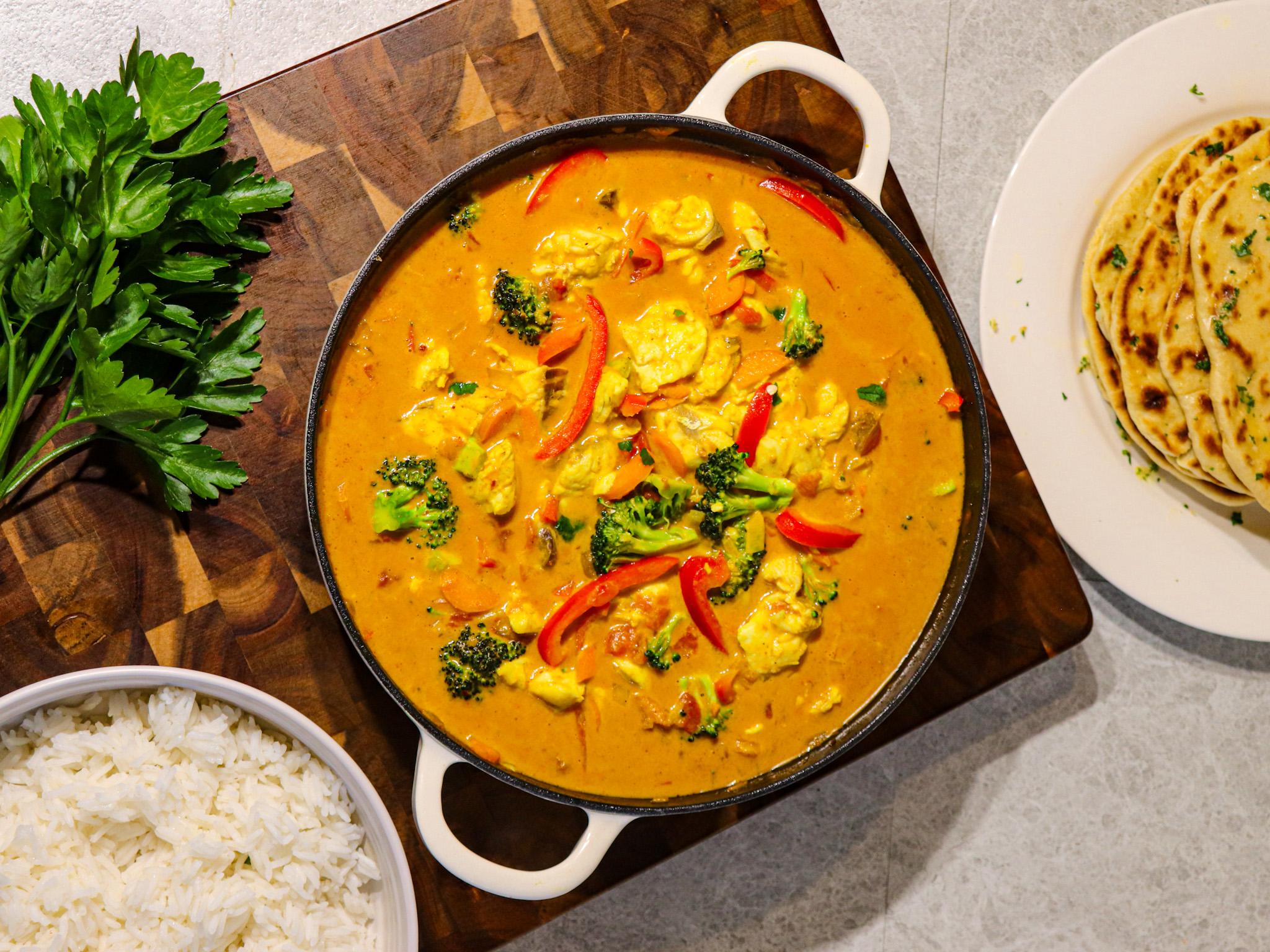
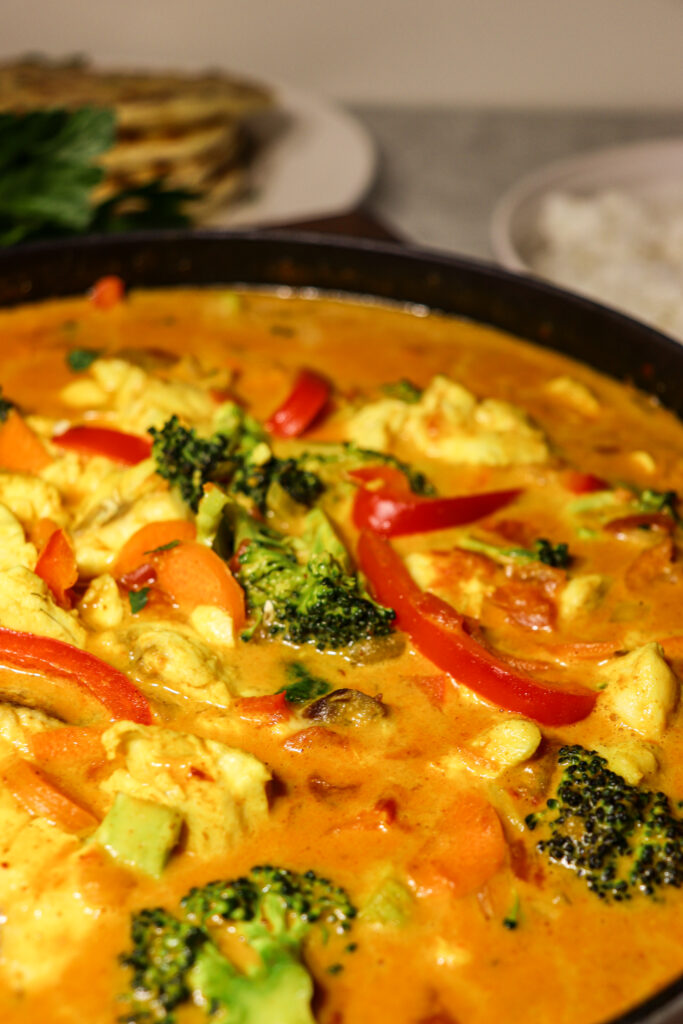
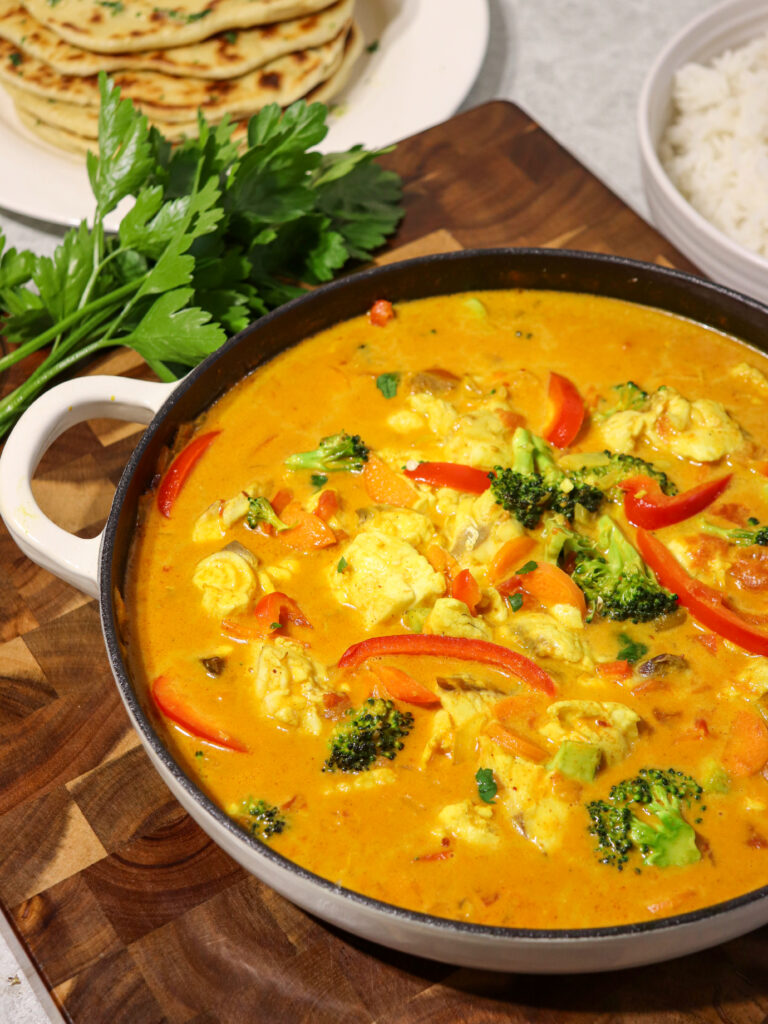
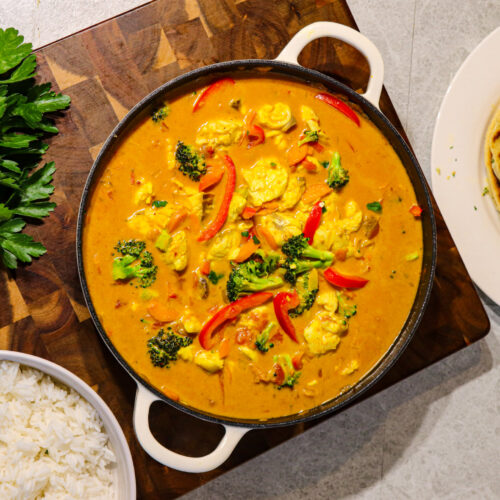
It’s packed with tender pieces of fish, broccoli, capsicum and carrots, all cooked in a creamy coconut sauce with plenty of flavour. It’s easy to make, uses pretty basic ingredients and is ready in around 30 minutes.
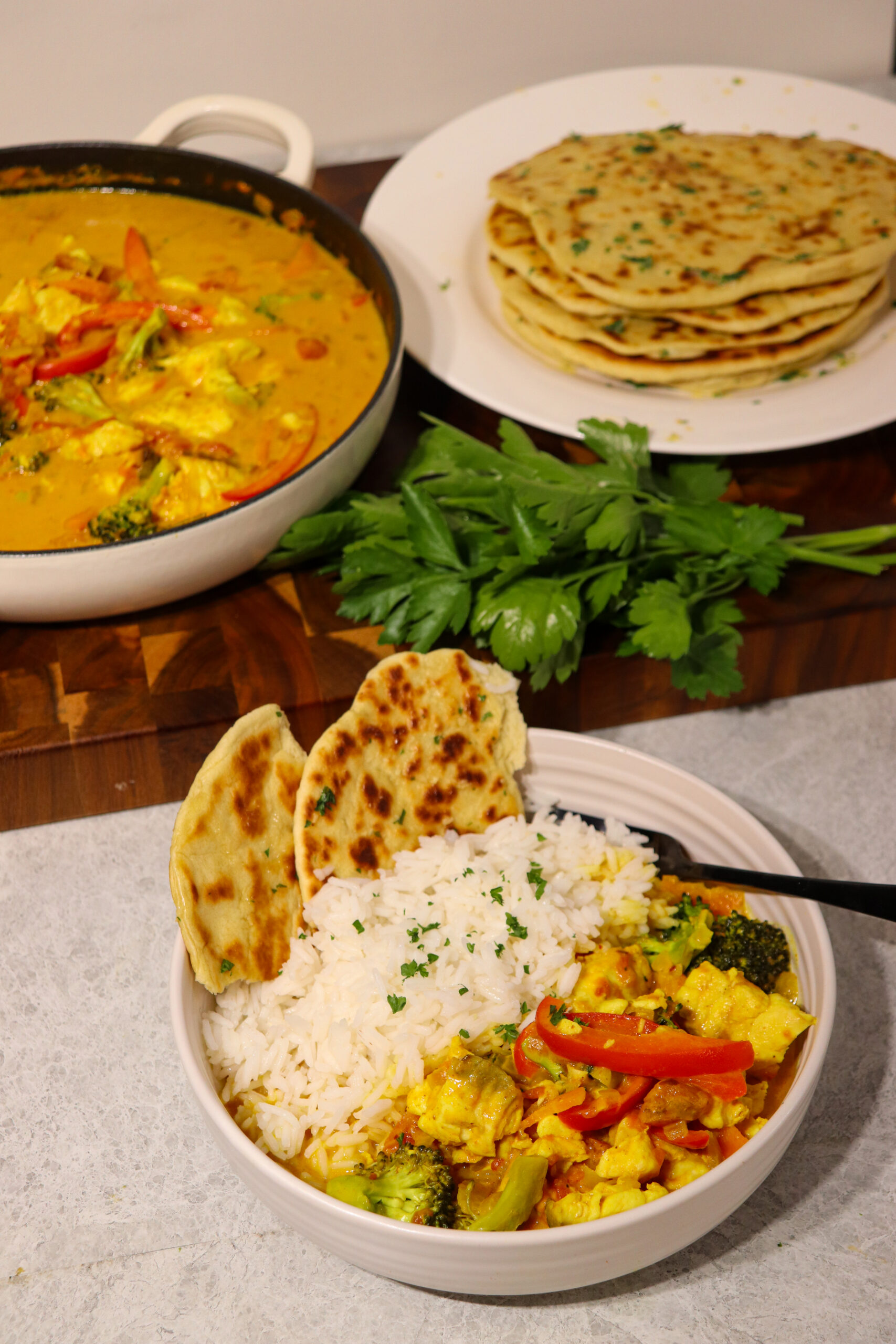
I served mine with fluffy rice and homemade naan bread, which was perfect for soaking up all that extra sauce. And the best part? Everything cooks in one pan, so there’s hardly any washing up afterwards!
Why You’ll Love This Coconut Snapper Curry
- Quick and easy: Ready in around 30 minutes, making it a great option for a weeknight dinner.
- Full of flavour: Garlic, ginger, curry powder and a few simple spices make a really tasty coconut sauce.
- Packed with veggies: Broccoli, capsicum and carrots add plenty of colour and texture.
- A great way to use fresh fish: Perfect if you’ve got some snapper in the fridge or freezer and want something other than the usual pan-fried fish.
- All made in one pan: Less washing up, which is always a bonus!
Ingredients You’ll Need
You don’t need anything too fancy for this coconut snapper curry. Most of the ingredients are things you probably already have in the pantry, along with some fresh fish and vegetables.

Snapper: I used fresh snapper fillets, cut into fairly large chunks so they hold together while cooking. You can use another firm white fish if you don’t have snapper.
Coconut milk: This is what makes the sauce lovely and creamy. I recommend using full-fat coconut milk for the best result.
Crushed tomatoes: These help balance out the richness of the coconut milk. Passata works just as well.
Curry powder, turmeric and cumin: A combination of spices that gives the curry its golden colour and plenty of flavour. You can use mild or medium curry powder depending on your preference.
Garlic and ginger: Fresh is best here and adds loads of flavour to the sauce.
Broccoli, capsicum and carrots: I used these three vegetables, but you can easily swap them for whatever you’ve got on hand.
Lemon juice: A squeeze of fresh lemon at the end helps balance out the creamy sauce. You can also use Lime.
Fish sauce: This is optional, but I like adding a little for extra flavour.
How to Make Coconut Snapper Curry
This curry is really straightforward to make, and everything comes together in one pan.
1. Cook the Onion, Garlic and Ginger
Heat the oil in a large frying pan over medium heat. Add the diced onion and cook for 3–4 minutes until softened.
Add the crushed garlic and grated ginger, stirring for another 30 seconds until fragrant.
2. Add the Spices
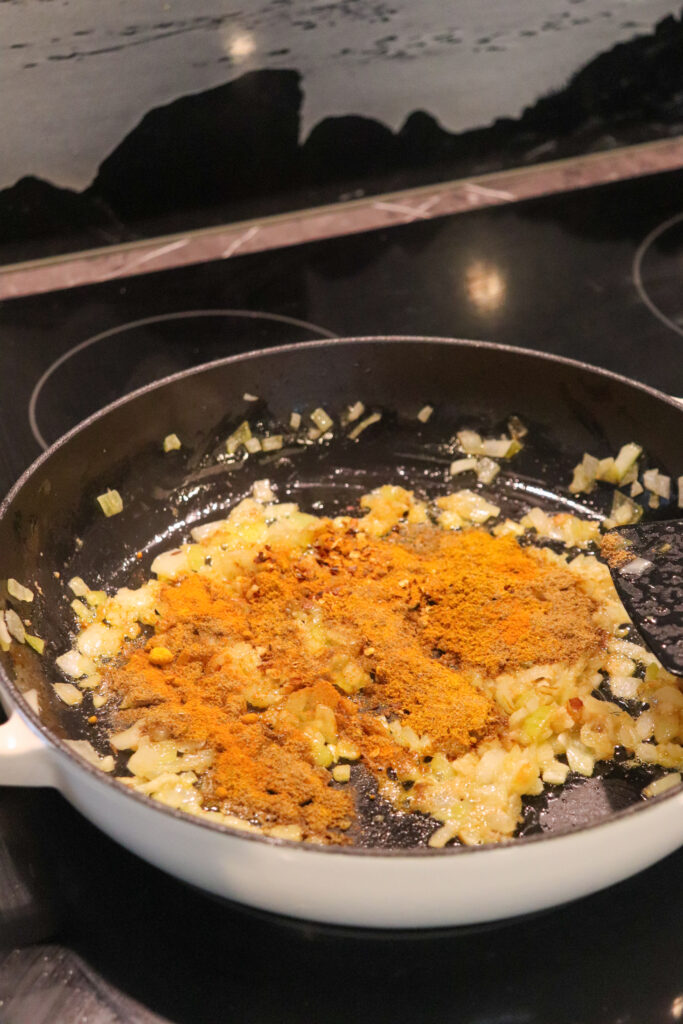
Stir in the curry powder, turmeric, cumin and chilli flakes if using.
Cook for around 30 seconds, stirring constantly so the spices don’t burn.
3. Make the Coconut Sauce
Pour in the coconut milk and crushed tomatoes, then add the salt, brown sugar and fish sauce.
Give everything a good stir and leave to gently simmer for around 5 minutes until the sauce starts to thicken slightly.
4. Add the Vegetables
Add the sliced capsicum, broccoli florets and thinly sliced carrots.
Simmer for another 4–5 minutes until the vegetables have started to soften but still have a little bite to them.
5. Cook the Snapper
Gently place the snapper pieces into the sauce, making sure they’re mostly covered.
Pop a lid on the pan and simmer over low heat for around 5–6 minutes, or until the fish is cooked through and flakes easily with a fork.
Try not to stir the curry too much once you’ve added the fish, otherwise it can break apart.

6. Finish and Serve
Stir through the fresh lemon juice and give the sauce a taste. Add a little more salt, lemon or chilli if needed.
Serve over fluffy rice with fresh coriander, extra lemon wedges and some homemade naan bread on the side.
My Tips for the Best Snapper Curry
Don’t overcook the fish. Snapper cooks pretty quickly, so make sure you add it towards the end. You want it tender and flaky, not dry and falling apart.
Cut the carrots nice and thin. Carrots take longer to cook than the other vegetables, so slicing them thinly means everything should be ready at roughly the same time.
Use full-fat coconut milk. It makes a much creamier sauce. You can use light coconut milk, but it won’t be quite as rich.
Don’t boil the sauce once the fish is added. Keep it at a gentle simmer so the snapper cooks evenly without breaking apart.
Taste before serving. Depending on your curry powder and coconut milk, you might need a little extra salt or lemon juice to get the flavour just right.
Substitutions and Variations
One of the good things about this curry is that it’s pretty easy to change depending on what you’ve got available.
- Different fish: You can use other firm white fish, such as blue cod, tarakihi or gurnard. Just keep an eye on the cooking time, as thinner fillets will cook faster.
- Extra creamy: Swap the coconut milk for coconut cream if you prefer a thicker, richer sauce.
- Different vegetables: Green beans, cauliflower, courgette or spinach would all work well.
- Add prawns: You could add some peeled prawns towards the end of cooking for a mixed seafood curry.
- More heat: Add extra chilli flakes or some fresh chilli if you like your curry a bit spicier.
What to Serve with Coconut Snapper Curry
I served mine with fluffy rice and homemade naan bread, and I reckon that’s the best way to have it. The rice soaks up all the creamy coconut sauce, and the naan is perfect for scooping up whatever’s left.
A squeeze of fresh lemon or lime juice over the top is also really good, along with some fresh coriander or crispy shallots if you’ve got them.
You could also serve it with roti or another flatbread if you prefer.
Storing and Reheating Leftovers
In the fridge: Store any leftover curry in an airtight container in the fridge for up to 2 days, provided the fish was fresh when cooked.
Reheating: Gently reheat in a saucepan over low heat until piping hot throughout. Try not to stir it too much, as the fish will be quite delicate once cooked.
Freezing: You can freeze this curry, but I personally think it’s much better eaten fresh. The fish can become a bit soft after freezing, and the coconut sauce may separate slightly when reheated.
If you’re making rice to go with it, store any leftovers separately and refrigerate them promptly.
Watch How I Make Creamy Coconut Snapper!
Creamy Coconut Snapper Curry
Ingredients
Curry Base
- 1 Tbsp olive oil or coconut oil
- 1 small onion finely diced (100g)
- 3 cloves garlic crushed
- 1 Tbsp fresh ginger grated
- 1 Tbsp curry powder mild or medium
- 1 tsp ground turmeric
- 1 tsp ground cumin
- ½ tsp chilli flakes optional
Coconut Sauce
- 400 ml coconut milk
- 200 g crushed tomatoes or passata
- 1 tsp salt
- 1 tsp brown sugar
- 1 tsp fish sauce optional
- Juice of ½ lemon
Fish & Vegetables
- 500 g snapper fillets skin removed and cut into 4–5cm chunks
- 1 small red capsicum sliced
- 100 g broccoli florets
- 1 medium carrot about 80g, thinly sliced
To Serve
- Cooked rice
- Homemade naan bread optional
- Fresh coriander or parsley optional
- Lime or Lemon wedges optional
- Crispy shallots optional
Instructions
Cook the aromatics
- Heat the oil in a large frying pan over medium heat. Add the diced onion and cook for 3–4 minutes until softened. Stir in the garlic and ginger and cook for another 30 seconds until fragrant.
Add the spices
- Add the curry powder, turmeric, cumin and chilli flakes if using. Stir for around 30 seconds to toast the spices, being careful not to burn them.
Make the sauce
- Pour in the coconut milk and crushed tomatoes or passata. Add the salt, brown sugar and fish sauce if using. Stir well and simmer gently for 5 minutes until the sauce has thickened slightly.
Cook the vegetables
- Add the sliced capsicum, broccoli florets and thinly sliced carrot. Simmer for 4–5 minutes until the vegetables are starting to soften but still have a little bite.
Add the snapper
- Gently place the snapper pieces into the sauce, making sure they’re mostly submerged. Cover and simmer over low heat for 5–6 minutes, or until the fish is opaque and flakes easily with a fork. Avoid stirring too much so the fish doesn’t break apart.
Finish the curry
- Add the lemon juice and gently stir through. Taste and adjust the seasoning with extra salt, lemon juice or chilli if needed.
Serve
- Spoon the curry over fluffy rice and serve with homemade naan bread, fresh herbs and lemon/lime wedges if desired.
Notes
Frequently Asked Questions
Can I use frozen snapper for this curry?
Yes! Frozen snapper works perfectly fine. Just thaw it completely in the fridge and pat it dry with a paper towel before adding it to the sauce.
Can I use another type of fish?
Absolutely. Any reasonably firm white fish should work. Blue cod, tarakihi and gurnard are all good options, although you may need to adjust the cooking time depending on the thickness of the fillets.
Is this coconut snapper curry spicy?
Not really. It’s more of a mild, flavourful curry, especially if you use mild curry powder and leave out the chilli flakes. You can easily make it hotter if you prefer.
Can I make this curry ahead of time?
You can make the coconut sauce and cook the vegetables ahead of time, then add the snapper when you’re ready to eat. That way, the fish stays nice and tender rather than getting overcooked when reheated.
Can I use coconut cream instead of coconut milk?
Yes, coconut cream works well if you want a richer, thicker sauce. You may need to add a splash of water if it becomes too thick.
How do I stop the snapper from falling apart?
Cut the fish into fairly large pieces, around 4–5 cm, and add it right at the end of cooking. Once it’s in the sauce, avoid stirring too much and keep the heat low.
If you make this creamy coconut snapper curry, I’d love to hear what you think! Leave a comment and rating below, or tag me on social media #oldmateeats so I can see how yours turned out.
Looking for another way to use fresh fish? Have a look at my Creamy Smoked Fish Chowder recipe. It’s another easy, comforting meal that’s packed with flavour!